
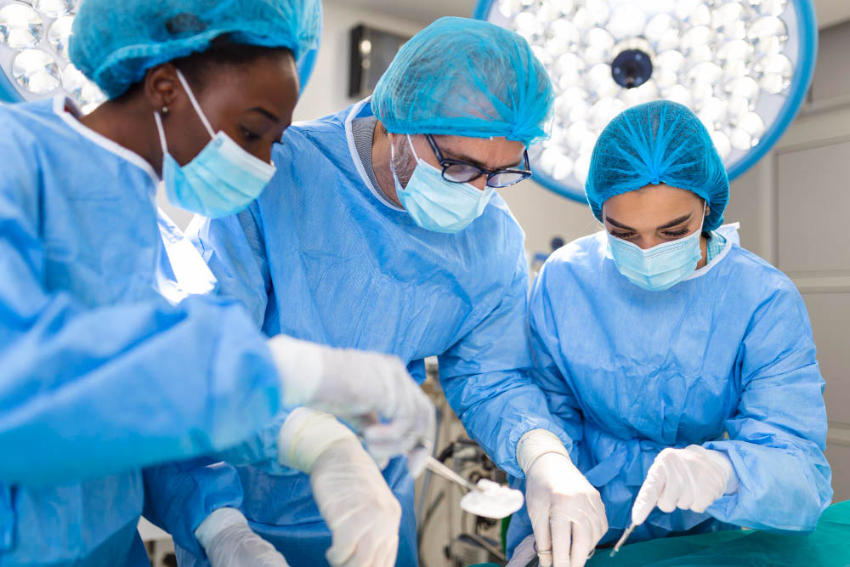
Surgery can feel like a big step, but it is often the pathway to relief and recovery when gynaecological conditions affect your health or quality of life.
At Dr Thembi Khoale Inc., our OBGYN in Bloemfontein provides a range of surgical options tailored to women’s health needs. From minimally invasive procedures to complex operations, the goal is always to restore comfort and help you move forward with confidence.
What is gynaecological surgery?
Gynaecological surgery includes procedures that address conditions affecting the uterus, ovaries, fallopian tubes, and pelvic floor. Dr Khoale may recommend surgery when other treatments have not provided enough improvement, or when surgical intervention offers the safest solution.
When may surgery be recommended?
Surgery may be considered for several reasons, such as:
- Removing fibroids that cause heavy bleeding or pain
- Treating endometriosis that interferes with daily life
- Managing polycystic ovarian syndrome (PCOS) when symptoms persist
- Addressing abnormal uterine bleeding that does not respond to medication
- Repairing pelvic floor issues linked to prolapse or incontinence
- Removing cysts, growths, or other abnormalities
Each case is different, and our OBGYN in Bloemfontein will guide you through the options that best fit your diagnosis and health goals.
Which surgical options are available for women’s health?
Our OBGYN in Fichardt Park may suggest different surgical options based on your specific health needs, such as:
- Laparoscopic surgery: A less invasive approach that uses small cuts and specialised instruments to treat conditions such as endometriosis or ovarian cysts.
- Hysterectomy: Removal of the uterus, which may be advised for issues like heavy bleeding, fibroids, or other serious health concerns.
- Myomectomy: Surgery to remove fibroids while keeping the uterus intact, often chosen by women who would still like to have children in the future.
- Ovarian cyst removal: A procedure to remove problematic cysts while preserving ovarian function.
- Pelvic floor repair: Surgery to restore support when prolapse or incontinence affects daily activities.
How do you prepare for surgery?
Preparation is an important part of achieving the best outcomes. Before your procedure, you may be asked to share your full medical history, complete any recommended blood tests, and review your current medications to determine whether any changes are needed.
You may also need to follow fasting instructions for a set number of hours and arrange safe transport home if anaesthesia will be used. Each of these steps is designed to protect your well-being.
What should you expect once the operation is done?
Recovery varies depending on the type of procedure. Some women go home the same day, while others may need a short hospital stay. You will receive clear aftercare instructions, which may include:
- Pain relief and wound care guidance
- Restrictions on heavy lifting or strenuous activity for a set period
- Follow-up appointments to monitor healing and progress
- Advice on when you can return to work, exercise, or sexual activity
Healing is not just physical. Recovery is also about regaining comfort and confidence in your daily life.
Booking gynaecological surgery at Dr Thembi Khoale Inc.
If you are experiencing ongoing symptoms such as pelvic pain, heavy bleeding, or difficulty linked to a gynaecological condition, surgical treatment may be the next step. At Dr Thembi Khoale Inc., our OBGYN in Fichardt Park guides you through every step, making surgery and recovery feel more manageable and less overwhelming.